
Democracy and Assembly at the Zürcher Theater Spektakel
Without mutual trust and without a sense of community, neither a free society nor a democratic order can exist. This is precisely what attacks on democracy and the rule of law, as we are currently witnessing in many parts of the world, seek to undermine. Agreements and conventions that underpin our political and social coexistence are increasingly being abandoned. Institutions committed to serving the public are coming under attack, while anti-democratic parties gain influence over young voters in the isolation of social media.
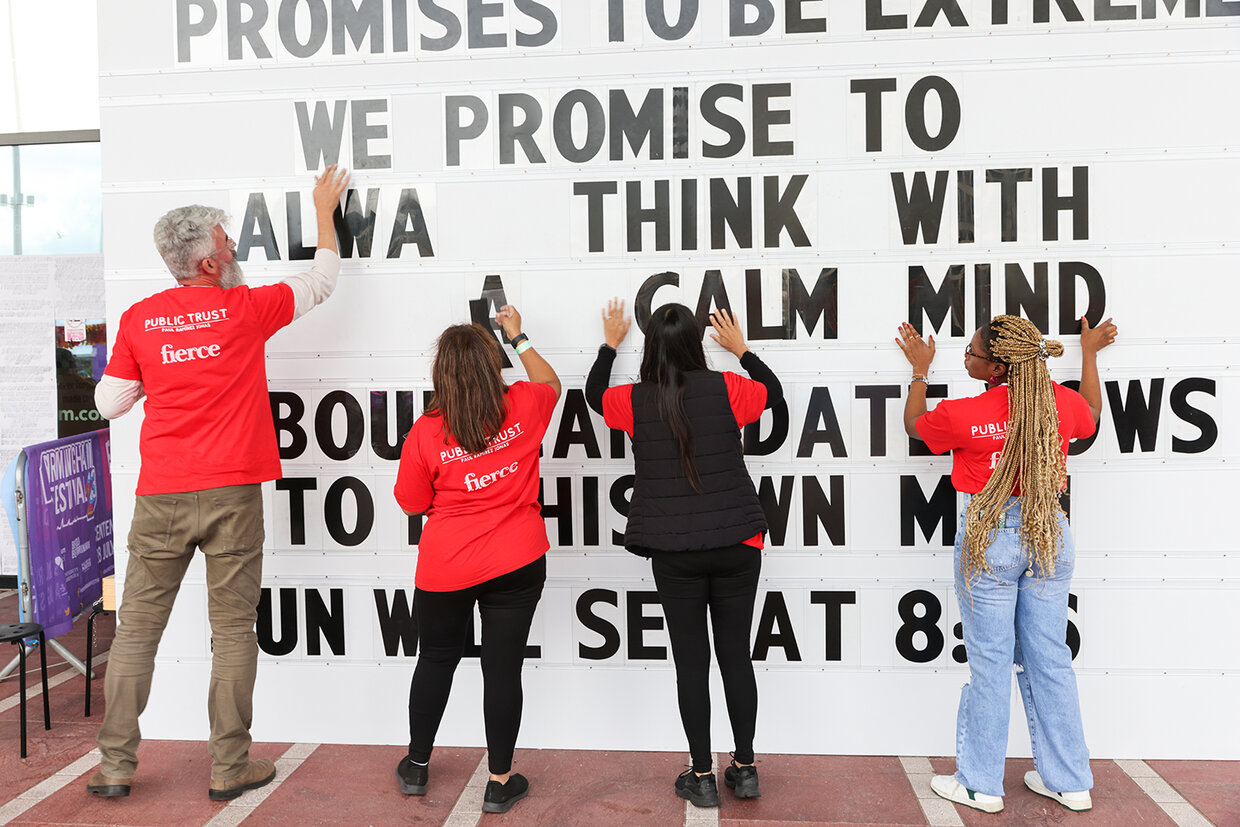
What would happen if each of us made a promise to contribute to a stronger sense of community – and actually kept it? What happens when we physically experience the energy that emerges when many people come together and momentum builds?
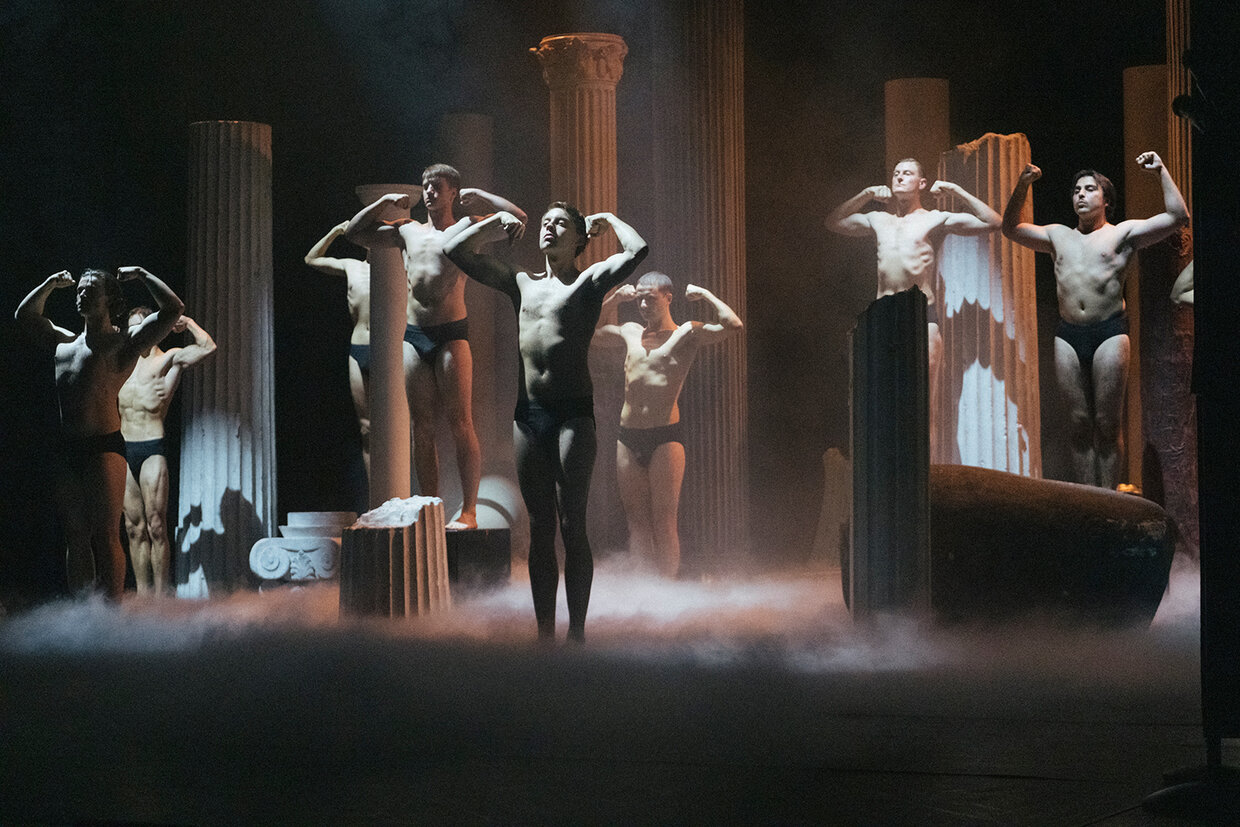
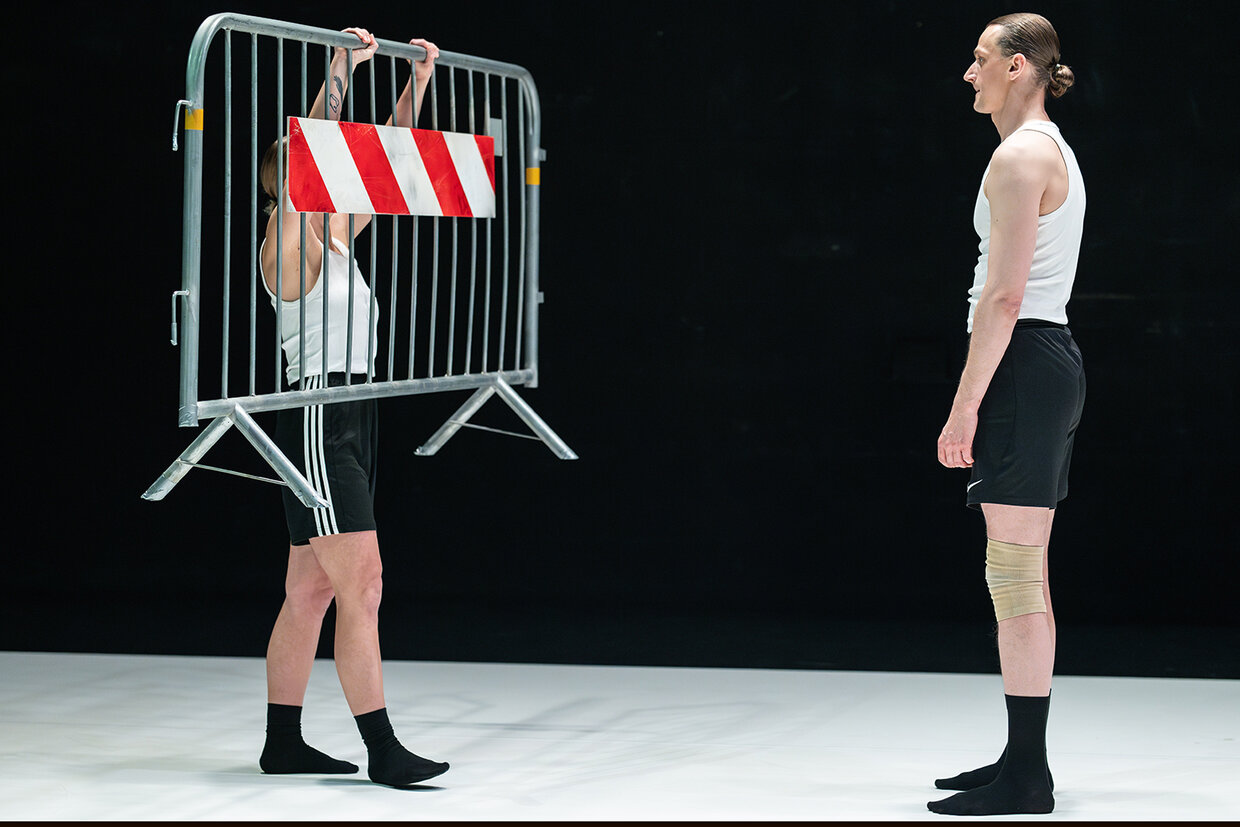
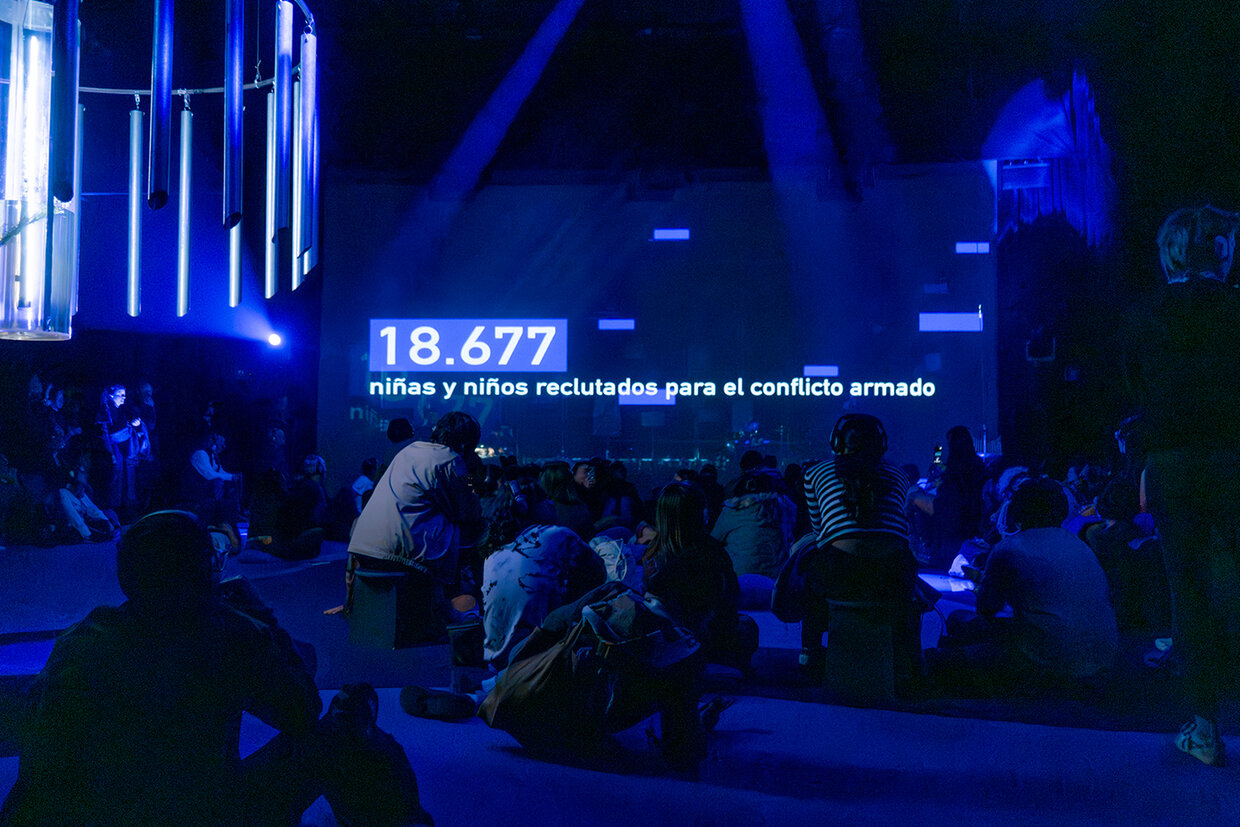
This year’s Zürcher Theater Spektakel features a series of works that engage with these developments under the thematic focus «Democracy and Assembly» – while exploring how we can experience ourselves as capable of action in the present. They examine right-wing narratives («Violenza 2025») and the erosion of trust («Public Trust»), imagine an international counter-movement to authoritarianism («Allianz der letzten Demokratien»), ask how coexistence is possible in times of war or in their aftermath («CLAP & SLAP», «Corazón Rudo»), or foreground the experiences of people who risk their lives in crisis regions to help others («Dans la Mesure de l’Impossible»), while others celebrate desire and the overcoming of shame («DI/Strauss Technique»).
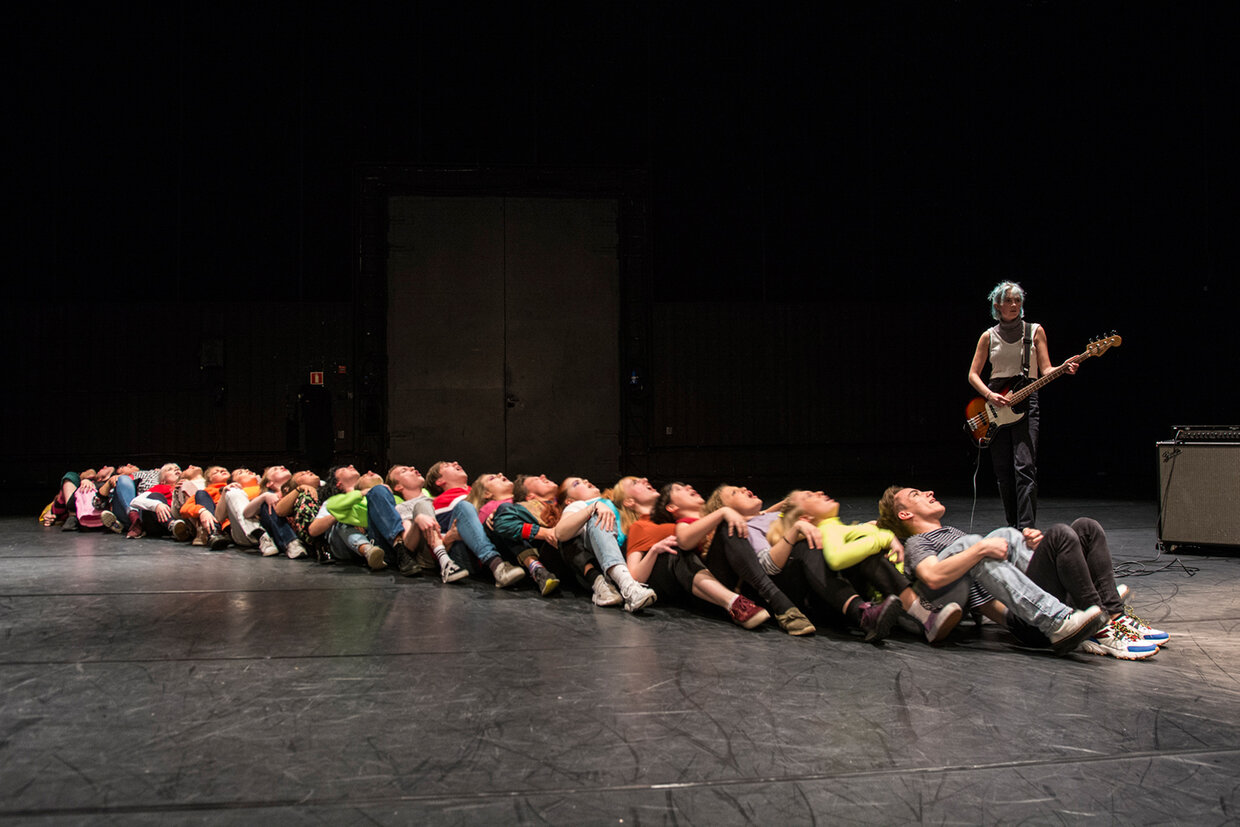
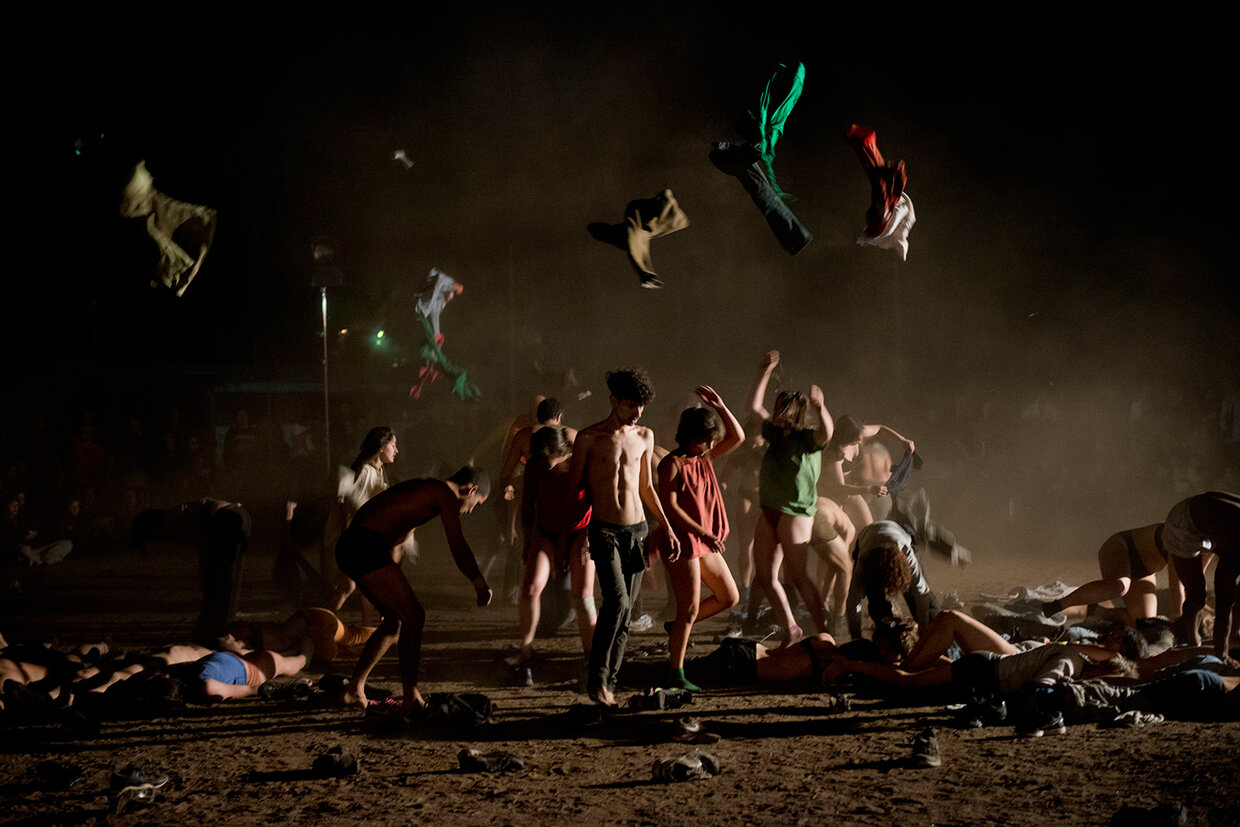
Two projects this year bring together very different people from our urban society in works by international artists, creating encounters between bodies and lived experiences on our stages («Multitud», «Teenage Songbook of Love and Sex»).
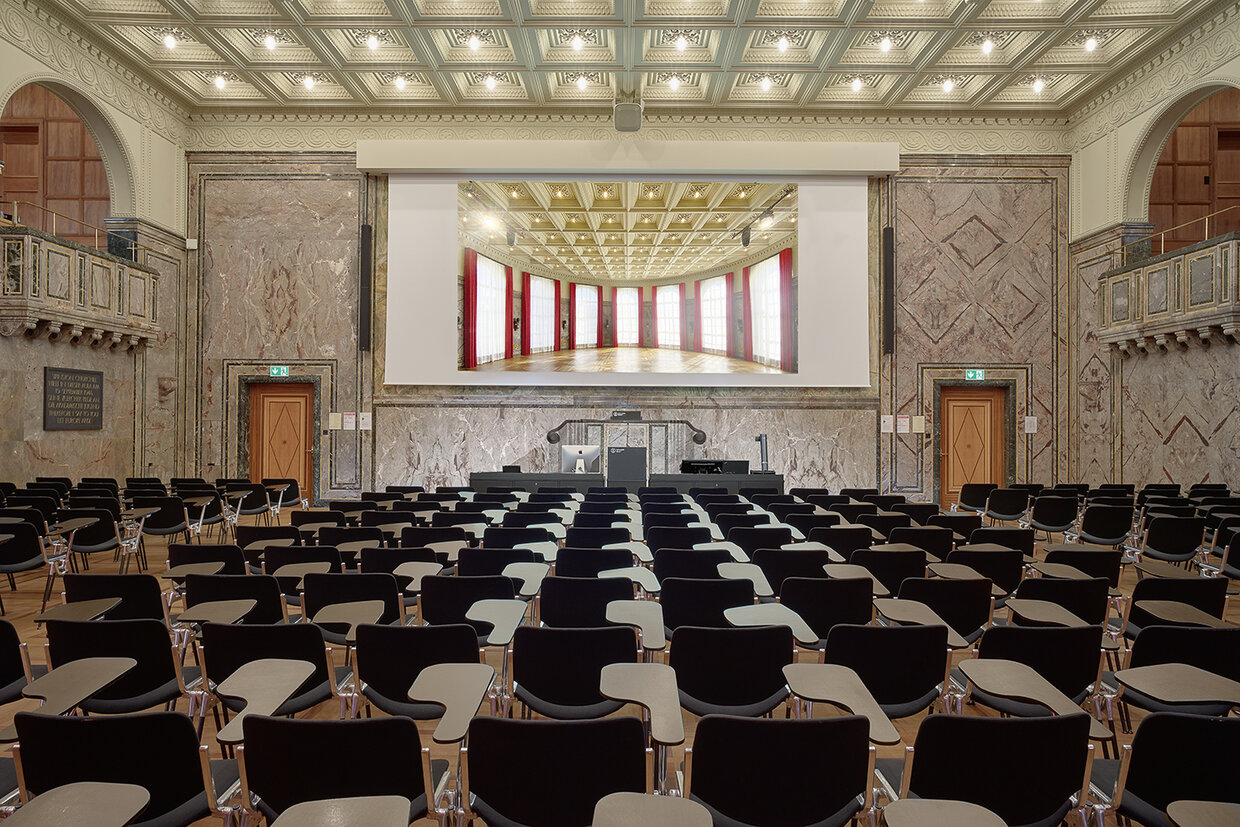
The discussions at «Talking on Water» explore the important distinction between right-wing populism and fascism (Jason Stanley), as well as the eagerness of certain actors to dismantle democratic structures (Carolin Amlinger & Oliver Nachtwey). Finally, two discussion formats reflect on the potential of art in a time when democracy itself is under threat.
What promise will you make?